The 510-thread battery market has grown up. There’s something available for every possible use case, with three devices in particular leading the pack. The Yocan Kodo Pro owns ultra-compact portability. The Yocan UNI Pro delivers maximum battery capacity. The Rokin Mini Tank Pro balances features and value at the lowest price point.
No single device wins for everyone. Your usage pattern determines the right choice. Most vapers fall into the moderate usage range and puff on their devices around 20 to 40 times per day. This is exactly where the Rokin Mini Tank Pro excels.
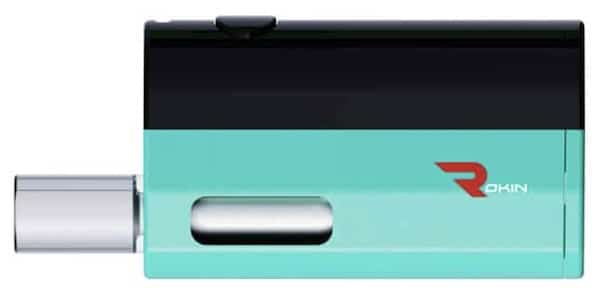
Table of Contents
- Understanding Your Usage Pattern
- Battery Capacity: The Foundation
- Features That Actually Matter
- Activation Methods: Choice Matters
- Connection Design Philosophy
- Powerwave Technology: Automatic Protection
- Portability: When Size Differences Matter
- Modern Charging Standards
- Value Analysis: Features per Dollar
- Real-World Performance Scenarios
- Who Should Choose Which Device
- The Daily Commuter Archetype
- When Each Device Wins
- Making Your Decision
- Frequently Asked Questions
- Key Takeaways
Understanding Your Usage Pattern
If you’re trying to find the best 510 battery for daily use, the first thing to consider is how often you typically vape each day. Understanding which category you fall into determines everything else.
Light users taking 10 to 20 puffs daily have simple needs. Battery capacity rarely becomes an issue. Size, discretion and convenience will drive your decision.
Moderate users taking 20 to 40 puffs daily have different requirements. You need a 510 battery that lasts all day without making you pause to charge. Features matter because you’re a more frequent vaper. Value becomes important at this usage level.
Heavy users taking 60 or more puffs daily require maximum battery capacity. Extended multi-hour sessions require batteries that won’t quit halfway through. Capacity becomes non-negotiable at this usage level.
Understanding which category you fall into determines everything else.
Battery Capacity: The Foundation
Battery capacity is one of the biggest areas in which 510 batteries differentiate themselves from one another. The three devices in this comparison have different capacities, with each serving a different target market.
The Kodo Pro’s 400mAh provides approximately 160 puffs per charge. This works perfectly for social use, a night out, or as a backup device. Moderate daily users hit the wall by afternoon, requiring a charge or device swap.
The Rokin Mini Tank Pro’s 500mAh delivers around 200 puffs per charge. That’s 25% more capacity than 400mAh devices. This extra power covers a full workday for moderate users with comfortable margin. You charge overnight at home, vape all day without anxiety, and repeat the cycle.
The UNI Pro’s 650mAh leads the category at approximately 260 puffs per charge. This represents 30% more capacity than the Rokin and 62% more than the Kodo. Heavy users need this level. Extended sessions lasting several hours exhaust smaller batteries, creating frustrating interruptions.
Most consumers use 20 to 40 puffs daily. For this majority segment, 500mAh hits the sweet spot. You get reliable all-day performance without carrying the bulk of 650mAh box mods.
Features That Actually Matter
Display technology separates these devices in practical ways.
The Kodo Pro uses a basic OLED showing voltage, battery percentage, and puff counter. This covers essential information adequately. You know your settings and remaining charge. Functional and sufficient.
The UNI Pro enhances this with resistance reading in Ohms. Advanced users appreciate this for troubleshooting and comparing cartridge performance. Most vapers never reference it, but technical enthusiasts find value.
The Rokin Mini Tank Pro introduces something genuinely useful: hit duration timing. The digital display shows exactly how long each inhalation lasts. This enables you to develop consistent puffing patterns and optimize technique. The display feels more premium and responsive than basic OLED screens. Users consistently praise this feature as a practical differentiator for understanding personal consumption.
Activation Methods: Choice Matters
- The Kodo Pro and UNI Pro both use button-only activation. Press to vape. Standard operation giving full control but requiring conscious action every time.
- The Rokin Mini Tank Pro offers dual-mode operation. Button activation when you want control. Puff-based activation when you prefer hand-free convenience. Switch between them based on situation or preference.
Puff-based firing provides real advantages. Discreet operation where your palm fully covers the device with no visible button pressing. Easier for users with hand dexterity limitations. Convenient during activities where fumbling for a button proves awkward.
This flexibility is uncommon at the $29.95 price point. It means that you’re not locked into one vaping style, which is important because needs can change depending on your situation. It’s also valuable if you’re new to vaping, because you can’t know what firing style you prefer until you’ve tried both.
Connection Design Philosophy
The 510 batteries in this comparison have different mechanical approaches when it comes to cartridge connections. Each approach involves certain tradeoffs.
The Kodo Pro uses an exposed screw-in design. Your cartridge threads directly onto the battery post. Swaps take 3 to 5 seconds. Nothing to lose or maintain. Direct electrical connection. The downside: threading wear accumulates on the battery post itself, which isn’t replaceable. With frequent cart swapping, expect a 12-to-16-month lifespan before threading degrades.
The UNI Pro employs a magnetic adapter system. You attach a magnetic adapter to the cartridge’s threading and drop the entire assembly into the recessed area of the device. This protects the main device’s threading because the replaceable adapter absorbs all wear. When the adapter wears out after heavy use, you replace it for a few dollars rather than buying a new battery. The trade-off: slower swaps at 8 to 12 seconds and an additional component to track. If you lose your last adapter, you can’t vape at all until you get another.
The Rokin Mini Tank Pro uses a spring-loaded screw-in connection. This sits between the other approaches. Swaps remain fast like the Kodo at 4 to 6 seconds. The spring mechanism reduces threading stress compared to rigid designs, extending lifespan by 20 to 30%. You enjoy improved durability without magnetic adapter complexity.
For users rotating through multiple carts daily, the UNI Pro’s replaceable adapter may justify the higher cost. For moderate users changing carts weekly, the Mini Tank Pro’s spring-loaded design provides excellent longevity without extra components.
Powerwave™ Technology: Automatic Protection
The Rokin Mini Tank Pro includes proprietary Powerwave™ technology that automatically regulates voltage to prevent oil overheating. When the system detects elevated temperatures, it pulses power delivery and automatically reduces voltage by 0.5V.
This prevents burnt flavors and oil degradation. Users with disciplined puffing technique never notice the system working. Casual or occasional vapers who hold the button too long or chain multiple hits get automatic protection against harsh draws.
Neither the Kodo nor UNI Pro offers automatic temperature regulation. They rely entirely on user discipline to avoid overheating.
For experienced users, this feature runs invisibly in the background. For newer or casual users, it provides valuable safety margin.
Portability: When Size Differences Matter
When you buy a 510 battery, there’s always a compromise between battery life and portability. You need to find the device that strikes the right balance for your needs.
The Kodo Pro measures approximately 2 inches tall and weighs 40 grams. This represents decades of optimization as the “smallest vape on the market.” It disappears into business casual shirt pockets without visible protrusion. For absolute minimalists, this device remains the portability champion.
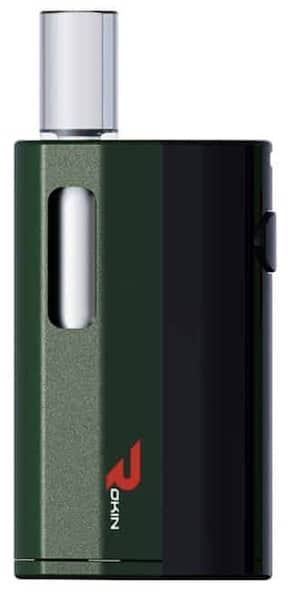
The Rokin Mini Tank Pro measures 2 inches tall and weighs 48 grams. That’s 8 grams heavier than the Kodo. For practical purposes, the difference is marginal. Both fit in your palm and disappear into jacket pockets. Both offer essentially equivalent pocket comfort. The Rokin achieves near-identical portability while delivering 25% more battery capacity and significantly more features.
The UNI Pro uses box mod design at 5mm x 36.5mm x 25.7mm and 51 grams. This is intentionally larger, trading discretion for internal space. It fits in pants pockets but creates a visible outline with fitted clothing. For home-based or stationary use, the size proves irrelevant. For on-the-go discretion, it’s noticeably bulkier.
If you need absolute minimum size and have light consumption, choose Kodo. If you want compact portability with better features and capacity, choose Rokin. If you’re using it primarily at home with heavy consumption, choose UNI Pro.
Modern Charging Standards
- The Kodo Pro and UNI Pro both ship in versions with either Micro-USB or USB-C, depending on production run. Purchasing either device creates uncertainty about which charging port you’ll receive.
- The Rokin Mini Tank Pro guarantees USB-C across all units, with the charging cable included in the box.
USB-C offers three practical advantages. First, universal compatibility with modern charging cables. Your phone cable, laptop cable, and tablet cable all work. No proprietary cables to carry or store. Second, faster charging speeds compared to Micro-USB technology. Third, reversible connector that works in either direction.
For users planning multi-year ownership, guaranteed USB-C future-proofs the investment. As Micro-USB disappears from the broader tech ecosystem, the Rokin maintains compatibility with universal charging infrastructure.
Value Analysis: Features Per Dollar
All three devices in this comparison are priced in a similar range.
The Kodo Pro retails for $25 to $35. The Rokin Mini Tank Pro costs $29.95. The UNI Pro ranges from $28 to $38. Upfront cost differences remain minimal, clustering around $25 to $38.
But raw cost misses the bigger picture.
The Rokin at $29.95 includes a digital display with hit timer (unique to this device), dual-mode activation (uncommon feature), Powerwave™ automatic temperature regulation (unique technology), guaranteed USB-C charging, and a spring-loaded connection providing a 20 to 30% longer lifespan compared to rigid threading.
This represents the highest feature density per dollar in the category. You get more useful functionality at the lowest absolute price. The value disruptor positioning holds up under analysis.
Over 24 months, all three devices cost roughly $45 to $66 in total when accounting for replacement cycles. The Kodo’s lower upfront cost gets offset by more frequent replacements. The UNI Pro’s higher capacity reduces replacement frequency. The Rokin balances upfront value with extended durability.
Real-World Performance Scenarios
Social Vaping
A night out lasting 4 hours with social vaping typically involves 20 to 30 puffs spread across the evening. The Kodo Pro provides 160 puffs capacity – the battery never becomes a concern. The Rokin Mini Tank Pro offers 200 puffs – also more than adequate. The UNI Pro delivers 260 puffs – excellent but unnecessary for this scenario.
Winner: Kodo Pro or Rokin Mini Tank Pro. Both work perfectly. Choose based on whether you prioritize absolute minimum size (Kodo) or more features at similar size (Rokin).
Workday Vaping
A full workday spanning 8 hours with moderate use typically means 30 to 40 puffs throughout the day. The Kodo Pro’s 400mAh exhausts by midday, requiring afternoon charging or device swapping. The Rokin Mini Tank Pro’s 500mAh lasts the full workday with comfortable margin. The UNI Pro’s 650mAh exceeds the requirement, enabling less frequent charging.
Winner: Rokin Mini Tank Pro. It meets the requirement perfectly at the best price with the most features. The UNI Pro works excellently but provides unnecessary capacity for this pattern.
Lengthy Sessions
An extended home session lasting 6 hours with heavy use involves 60 to 80 puffs in a concentrated window. The Kodo Pro requires mid-session charging. The Rokin Mini Tank Pro depletes partway through the session, creating frustration. The UNI Pro’s 260-puff battery supports the entire session comfortably.
Winner: UNI Pro. This is the only device with adequate capacity for this consumption pattern. Neither smaller battery proves sufficient.
Heavy Cart Rotation
Frequent cart rotation with 50 or more swaps per week puts stress on threading. The Kodo Pro’s rigid screw-in design accumulates wear, likely causing threading failure within 12 to 16 months. The Rokin Mini Tank Pro’s spring-loaded mechanism reduces wear and extends lifespan. The UNI Pro’s replaceable adapter absorbs all threading wear, protecting the main device indefinitely.
Winner: UNI Pro for heavy rotators. The replaceable adapter justifies slower swap speed and higher cost. The Rokin offers better durability than the Kodo for moderate rotation.
Who Should Choose Which Device
Choose the Kodo Pro if you:
- Prioritize absolute minimum size above all else
- Consume 10 to 20 puffs daily (light use)
- Need extreme discretion for business or social situations
- Want a backup device
- Care deeply about flavor preservation (1.8V minimum vs 2.0V competitors)
Choose the Rokin Mini Tank Pro if you:
- Consume 20 to 40 puffs daily (moderate use)
- Need full workday battery life
- Want useful features at a fair price
- Appreciate modern conveniences (USB-C, dual firing modes)
- Value consumption tracking (hit timer)
- Want the best feature-to-cost ratio
Choose the UNI Pro if you:
- Consume 60 or more puffs daily (heavy use)
- Engage in extended multi-hour sessions
- Rotate through multiple carts frequently
- Use the device primarily at home (size irrelevant)
- Want maximum battery capacity available
- Value advanced troubleshooting data (resistance reading)
The Daily Commuter Archetype
Most vapers fit this profile. You use your device 20 to 30 times throughout a normal workday. You carry it in office or casual pockets. You want features that improve the experience without paying premium prices.
This is exactly where the Rokin Mini Tank Pro excels.
The 500mAh capacity covers your full workday. You charge overnight at home and use all day without mid-afternoon battery anxiety. The hit timer helps you track consumption patterns and develop consistent technique. Puff-based firing provides convenient hand-free operation during commutes or breaks. The digital display shows exact battery percentage, so you’re never surprised. USB-C charging means you use the same cable as your phone and laptop.
At $29.95, you get the lowest entry cost with the highest feature density. The spring-loaded connection extends device lifespan 20 to 30% compared to rigid threading, reducing replacement frequency.
For the majority of consumers who vape moderately throughout the day, value functionality, and appreciate modern conveniences, the Rokin Mini Tank Pro delivers exactly what matters.
When Each Device Wins
The 510 battery market has matured past “one device to rule them all” positioning. Each of these three competitors serves its intended segment well.
Kodo Pro
The Kodo Pro remains the portability champion. If absolute minimum size is your paramount concern, nothing beats 40 grams and optimization for portability. For light social users, it performs admirably.
UNI Pro
The UNI Pro provides capacity leadership. Heavy daily users and extended session vapers need 650mAh to avoid mid-session frustration. The magnetic adapter system protects against threading wear for frequent cart rotators. This device justifies its position for high-consumption users.
Mini Tank Pro
The Rokin Mini Tank Pro occupies the value-feature sweet spot. It balances competitive portability with 25% more capacity than compact competitors. It packs unique features (hit timer, dual-mode firing, Powerwave™) into the lowest price point. It guarantees modern USB-C charging. It extends lifespan with spring-loaded threading.
For moderate daily users—the largest market segment—the Mini Tank Pro represents the rational choice. You get professional features at entry-level pricing without compromising on portability or battery life.
Making Your Decision
- Start with an honest assessment of your consumption pattern. Count your puffs over several typical days. Light users below 20 puffs daily have flexibility. Moderate users between 20 and 40 puffs need reliable all-day battery life. Heavy users exceeding 60 puffs require maximum capacity.
- Next, consider your priorities. Is absolute minimum size worth sacrificing features and capacity? Do you value consumption data and modern conveniences? Will you rotate through multiple carts frequently?
- Finally, evaluate your budget – not just upfront but over the full ownership lifecycle. All three devices have similar costs over 24 months when accounting for replacements. Choose based on which features and form factor best match your usage pattern.
The market offers genuine choice. Each device occupies a clear position. Understanding where you fit in the spectrum points directly to your ideal 510 battery.
Ready to make your choice?
Rokin offers the best 510 batteries anywhere.
Frequently Asked Questions
What battery capacity do I need for daily use?
Light users consuming 10 to 20 puffs daily need 400mAh minimum. Moderate users taking 20 to 40 puffs daily benefit from 500mAh for full workday coverage without mid-day charging. Heavy users exceeding 60 puffs daily require 650mAh to avoid mid-session battery depletion during extended use. Most consumers fall into the moderate category where 500mAh provides optimal balance between capacity and device size.
How does a spring-loaded connection compare to magnetic adapter systems?
Spring-loaded connections offer faster cartridge swaps at 4 to 6 seconds while reducing thread wear by 20 to 30% compared to rigid screw-in designs. Magnetic adapters provide slower swaps at 8 to 12 seconds but protect the main device through replaceable components. For users changing carts weekly, spring-loaded provides excellent durability without extra parts. For users rotating through multiple carts daily, magnetic adapters justify the complexity by enabling indefinite device lifespan through replaceable wear components.
Is USB-C worth it for vape batteries?
USB-C provides universal cable compatibility with phones, laptops, and tablets, eliminating the need to carry multiple cable types. It charges faster than Micro-USB technology and features a reversible connector that works in either direction. For multi-year device ownership, USB-C future-proofs your investment as Micro-USB becomes obsolete in the broader tech ecosystem. The convenience of using existing cables you already carry makes USB-C particularly valuable for daily users.
What makes the hit timer feature useful?
The hit timer displays exact inhalation duration for each puff, enabling you to develop consistent technique and optimize vapor production. By tracking hit length, you understand your consumption patterns and can adjust voltage settings accordingly. This feature proves especially valuable for new users learning proper technique and experienced users wanting to maximize efficiency. Neither competitor offers hit duration tracking, making this unique to the Rokin Mini Tank Pro.
Should I choose Rokin Mini Tank Pro or Yocan Kodo Pro for moderate daily use?
For moderate daily use of 20 to 40 puffs, the Rokin Mini Tank Pro provides better value. Its 500mAh battery covers full workdays while the Kodo’s 400mAh requires mid-day charging. The Rokin includes a hit timer, dual-mode activation, and guaranteed USB-C at $29.95—the lowest price with highest feature density. Both devices offer nearly identical portability (48g vs 40g), making size differences marginal. Choose the Kodo only if you prioritize absolute minimum weight for light social use around 20 puffs daily.
When is the UNI Pro’s extra capacity worth the larger size?
The UNI Pro’s 650mAh capacity becomes necessary for heavy users consuming 60 or more puffs daily or engaging in extended multi-hour sessions. Its larger form factor proves worthwhile when smaller batteries would exhaust mid-session, creating frustrating interruptions. The magnetic adapter system also justifies the size for users rotating through multiple carts daily—the replaceable adapter protects the main device threading indefinitely. For home-based stationary use, the box mod size becomes irrelevant while the capacity advantage remains crucial.
How does puff-based activation work and why does it matter?
Puff-based activation detects when you inhale and automatically fires the battery without pressing any button. This enables discreet hand-free operation where your palm fully covers the device with no visible button pressing. It proves particularly valuable during commutes, in social situations requiring discretion, or for users with hand dexterity limitations. The Rokin Mini Tank Pro offers dual-mode operation, letting you switch between button- and puff-based firing depending on situation or preference—flexibility uncommon at this price point.
What’s the difference between 400mAh, 500mAh, and 650mAh battery life?
400mAh provides approximately 160 puffs per charge, suitable for light social use or single sessions. 500mAh delivers around 200 puffs per charge (25% more), covering full workdays for moderate users. 650mAh offers approximately 260 puffs per charge (30% more than 500mAh, 62% more than 400mAh), supporting extended multi-hour sessions for heavy users. For moderate daily use of 20 to 40 puffs, 500mAh hits the sweet spot—providing comfortable margin without requiring box mod bulk.
How does Powerwave™ prevent burnt flavors?
Powerwave™ technology automatically monitors the device’s temperature during use. When the system detects elevated temperatures from extended button holding or chain hitting, it pulses power delivery and automatically reduces voltage by 0.5V. This prevents cannabinoids from overheating and preserves terpene profiles, eliminating burnt harshness. The system works invisibly for disciplined users but provides valuable protection for casual vapers who lack perfect technique. Neither Yocan device offers automatic temperature regulation.
Which 510 battery offers best value for the money?
The Rokin Mini Tank Pro delivers the best value at $29.95 with the highest feature density in the category. It provides 500mAh capacity, digital display with hit timer (unique), button plus puff-based activation (uncommon), Powerwave™ auto temperature regulation (unique), guaranteed USB-C charging, and spring-loaded connection extending lifespan 20 to 30%. It provides the best cost-per-mAh ratio at $0.06 per mAh while packing more useful features than competitors at any price point. Over 24 months, total ownership costs remain similar across devices, making upfront feature density the key differentiator.
Key Takeaways
- Your usage pattern determines the right device choice. Light users benefit from the Kodo’s extreme portability. Heavy users require the UNI Pro’s maximum capacity. Most moderate daily users optimize with the Rokin Mini Tank Pro.
- 500mAh battery capacity hits the sweet spot for 20 to 40 puffs daily. This provides full workday coverage without mid-day charging anxiety while maintaining compact portability.
- The Rokin delivers best feature density at lowest price. At $29.95, you get a hit timer, dual-mode firing, Powerwave™ protection, guaranteed USB-C, and spring-loaded durability – more useful features per dollar than any competitor.
- Hit timer and puff-based firing provide practical daily value. The timer helps optimize technique and track consumption. Puff-based firing enables discreet hand-free operation and benefits users with dexterity limitations.
- Spring-loaded connection extends device lifespan 20 to 30% compared to rigid threading. This reduces replacement frequency over multi-year ownership without requiring magnetic adapter complexity.
- USB-C charging future-proofs your investment. Guaranteed across all Rokin units, it provides universal cable compatibility as Micro-USB becomes obsolete.
- Each device wins its intended segment. The Kodo remains portability champion for absolute minimalists. The UNI Pro dominates heavy extended use. The Rokin is optimized for the moderate daily user majority.
- Understanding where you fit in the consumption spectrum points directly to the ideal choice. Honest usage assessment beats feature lists or marketing claims for making the right decision.
0 Comments